

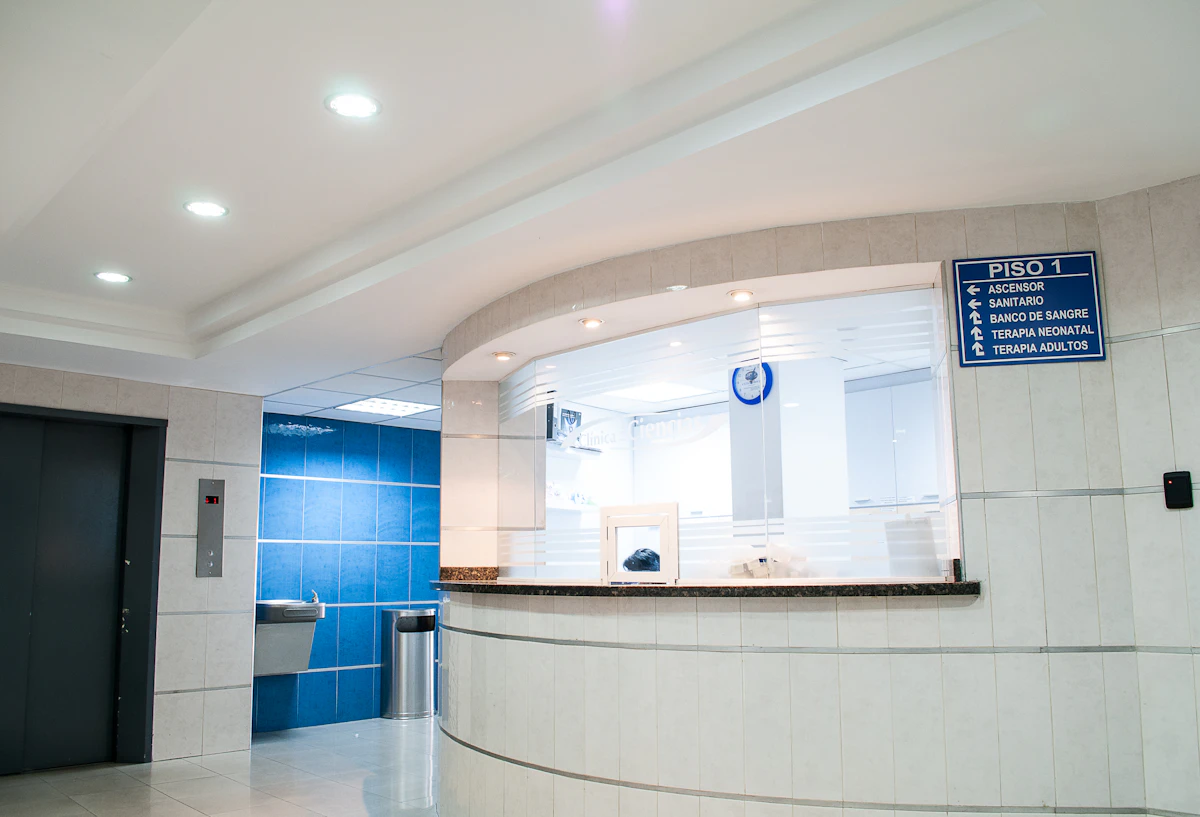
Running a hospital or clinic means coordinating patients, doctors, labs, pharmacy and billing — often across paper files and disconnected tools. A Hospital Management System (HMS) brings all of it into one secure platform, reducing errors, waiting times and revenue leakage. This guide covers what a good HMS includes and how to pick the right one.
---
A Hospital Management System is software that digitises and connects the day-to-day operations of a healthcare facility. Instead of separate registers for appointments, lab reports, medicine stock and invoices, everything lives in one connected system — accessible to the right staff, with full audit trails.
A well-built HMS works for a single clinic and scales to multi-branch hospital networks.
---
A complete HMS typically includes:
- **Registration & appointments:** patient records, OPD queue, and online/offline appointment booking. - **OPD & IPD management:** doctor consultation notes, ward and bed allocation, nursing charts. - **Electronic Health Records (EHR):** a unified patient history, e-prescriptions and documents. - **Laboratory & radiology:** test orders, result entry, and report delivery synced to the patient record. - **Pharmacy & inventory:** stock tracking, expiry alerts, and billing of dispensed medicines. - **Billing & insurance:** consolidated invoices, package billing, and TPA/insurance claims. - **Reports & dashboards:** occupancy, revenue, and operational analytics for management.
The real value comes from these modules talking to each other — a lab result instantly visible to the doctor, a dispensed medicine instantly on the bill.
---
- **Fewer errors.** Digital prescriptions and records remove handwriting and duplication mistakes. - **Faster service.** Shorter queues and instant access to history improve patient experience. - **Less revenue leakage.** Every billable service — consultation, test, medicine — is captured automatically. - **Better compliance.** Audit trails, role-based access and data security support HIPAA/ABDM readiness. - **Informed decisions.** Live dashboards show occupancy, income and bottlenecks in real time.
---
Before you commit, check for:
1. **Fit to your workflow.** Can it be tailored to how your facility actually runs, or does it force you into a rigid template? Custom-built systems adapt to you. 2. **Data security & compliance.** Encryption, role-based access, and readiness for standards like HIPAA and India's ABDM. 3. **Scalability.** Will it handle more branches, departments and patients as you grow? 4. **Integrations.** Lab machines, payment gateways, WhatsApp/SMS reminders, and insurance portals. 5. **Ownership & support.** Do you own your data and code, and is there a reliable team for updates and support?
Off-the-shelf HMS products are quick to start but often rigid. A custom-built HMS costs more upfront but fits your exact processes and grows with you — the right choice for facilities that see their software as core infrastructure.
---
The best Hospital Management System is the one that matches how your facility works, keeps patient data safe, and removes friction from every visit. If you are evaluating options — or outgrowing a rigid product — we build HMS platforms tailored to OPD/IPD, lab, pharmacy and billing, with your data fully owned by you.
[See how we build healthcare software](/services) or [book a free consultation](/contact).
---
What Is a Hospital Management System? #
A Hospital Management System is software that digitises and connects the day-to-day operations of a healthcare facility. Instead of separate registers for appointments, lab reports, medicine stock and invoices, everything lives in one connected system — accessible to the right staff, with full audit trails.
A well-built HMS works for a single clinic and scales to multi-branch hospital networks.
---
Essential Modules #
A complete HMS typically includes:
- **Registration & appointments:** patient records, OPD queue, and online/offline appointment booking. - **OPD & IPD management:** doctor consultation notes, ward and bed allocation, nursing charts. - **Electronic Health Records (EHR):** a unified patient history, e-prescriptions and documents. - **Laboratory & radiology:** test orders, result entry, and report delivery synced to the patient record. - **Pharmacy & inventory:** stock tracking, expiry alerts, and billing of dispensed medicines. - **Billing & insurance:** consolidated invoices, package billing, and TPA/insurance claims. - **Reports & dashboards:** occupancy, revenue, and operational analytics for management.
The real value comes from these modules talking to each other — a lab result instantly visible to the doctor, a dispensed medicine instantly on the bill.
---
Key Benefits #
- **Fewer errors.** Digital prescriptions and records remove handwriting and duplication mistakes. - **Faster service.** Shorter queues and instant access to history improve patient experience. - **Less revenue leakage.** Every billable service — consultation, test, medicine — is captured automatically. - **Better compliance.** Audit trails, role-based access and data security support HIPAA/ABDM readiness. - **Informed decisions.** Live dashboards show occupancy, income and bottlenecks in real time.
---
How to Choose the Right HMS #
Before you commit, check for:
1. **Fit to your workflow.** Can it be tailored to how your facility actually runs, or does it force you into a rigid template? Custom-built systems adapt to you. 2. **Data security & compliance.** Encryption, role-based access, and readiness for standards like HIPAA and India's ABDM. 3. **Scalability.** Will it handle more branches, departments and patients as you grow? 4. **Integrations.** Lab machines, payment gateways, WhatsApp/SMS reminders, and insurance portals. 5. **Ownership & support.** Do you own your data and code, and is there a reliable team for updates and support?
Off-the-shelf HMS products are quick to start but often rigid. A custom-built HMS costs more upfront but fits your exact processes and grows with you — the right choice for facilities that see their software as core infrastructure.
---
Final Thoughts #
The best Hospital Management System is the one that matches how your facility works, keeps patient data safe, and removes friction from every visit. If you are evaluating options — or outgrowing a rigid product — we build HMS platforms tailored to OPD/IPD, lab, pharmacy and billing, with your data fully owned by you.
[See how we build healthcare software](/services) or [book a free consultation](/contact).

